


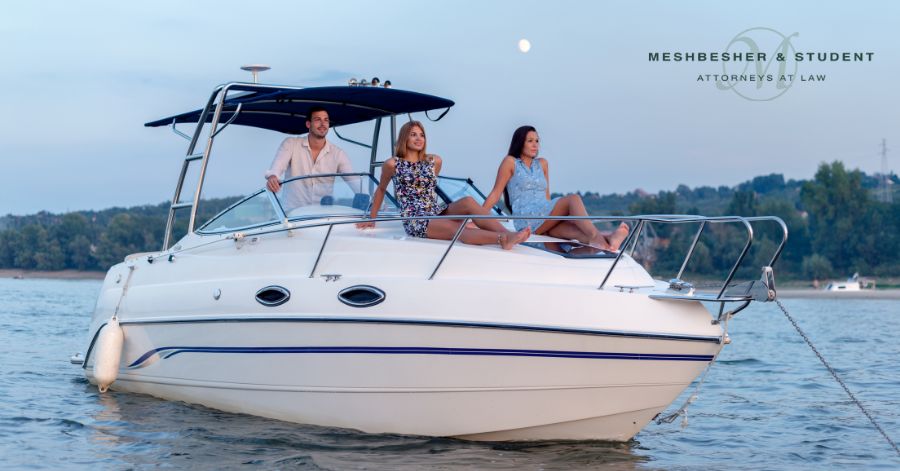
With more than 12,000 lakes and the headwaters of the Mississippi, Minnesota is a premier destination for maritime recreation. However, the density of traffic on popular waters like Lake Minnetonka and Lake Pepin brings an inherent risk of boating collisions and injuries. When a day on the water turns into a crisis, knowing the specific legal and safety requirements in Minnesota is critical for protecting your health and your future claims.
Immediate Safety and Duty to Assist
Minnesota law (Statute 86B.341) is explicit regarding your responsibilities at the scene of an accident. If you are involved in a watercraft incident, you must immediately stop and render assistance to any person endangered by the accident, provided doing so does not pose a "serious danger" to your own vessel or passengers.
Beyond physical aid, you are legally required to exchange information with all involved parties. This includes:
Full name and address
Watercraft license number
Name and address of the watercraft owner
Mandatory Reporting Requirements
Not every minor "fender-bender" on the lake requires a formal report, but many do. In Minnesota, the operator of a watercraft must report an accident to the local county sheriff if the incident results in:
Personal injury requiring medical treatment beyond simple first aid.
Death or the disappearance of a person.
Total property damage exceeding $2,000.
For accidents involving fatalities or disappearances, the report must be filed within 48 hours. For non-fatal injuries or property damage, the timeline is five days. Failure to comply with these reporting windows can complicate insurance claims and may result in legal penalties.
Preserving Evidence for a Liability Claim
Establishing negligence in a boating accident requires diligent documentation. Because water and weather can quickly wash away physical evidence, you should take the following steps as soon as you reach shore:
Photograph Everything: Document damage to all vessels, the surrounding water conditions, and any visible injuries.
Identify Witnesses: Collect contact information from passengers on other boats or people on the shore who saw the incident.
Seek Medical Documentation: Even if you feel "fine" due to adrenaline, many internal or soft-tissue injuries become apparent only hours later. A medical evaluation provides a timestamped link between the accident and your injuries.
Understanding Liability in Minnesota
Minnesota follows a "modified comparative negligence" rule. This means if you are found partially at fault for the accident—for example, by failing to have proper lighting or violating a no-wake zone—your compensation may be reduced by your percentage of fault. If you are more than 50% responsible, you may be barred from recovery entirely.
Furthermore, the statute of limitations for personal injury in Minnesota is generally six years, but this can be significantly shorter if a government entity is involved or if the claim involves wrongful death. Waiting to take action often results in lost evidence and faded witness memories.
Secure Representation Now
A boating accident can result in mounting medical bills, lost wages, and permanent physical trauma. Navigating the intersection of maritime regulations and Minnesota personal injury law requires a firm that is diligent and focused on results. Meshbesher & Student, P.A. provides the aggressive advocacy needed to hold negligent operators accountable. Protect your rights and ensure your case is handled with the seriousness it deserves.
Contact Meshbesher & Student, P.A. at (612) 200-1526 for a professional evaluation of your claim.


.2506051345123.png)